AI Strategy
A Practical Framework for AI Governance in Mid-Market Companies
Governance that fits a 500-person company — not a 50,000-person bank — and still satisfies your risk committee.
Enterprise AI governance frameworks assume a dedicated risk team, a compliance department, and the budget to support both. Mid-market companies have none of those. What they need is a lightweight framework that captures the real risks without paralysing delivery.
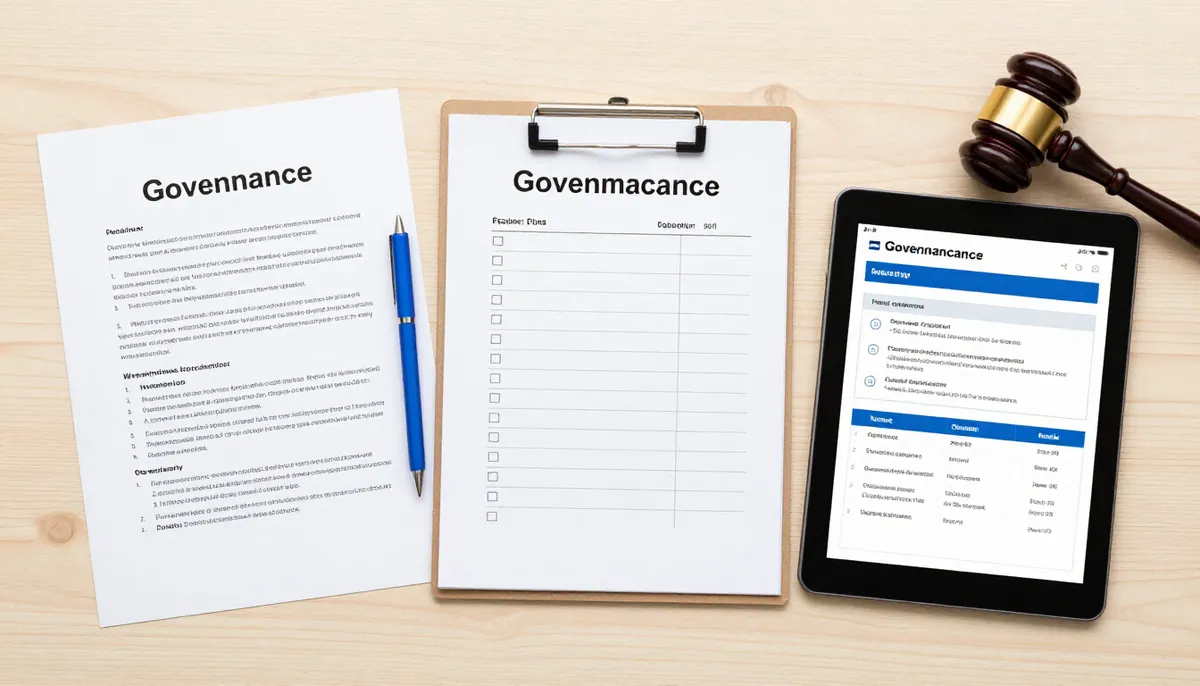
For a smaller team putting its first controls in place, use the small-business AI governance checklist to record owners, approved tools and when a person needs to review the output.
Three controls, not thirty
A workable mid-market governance model rests on three controls: an inventory, an approval gate, and an audit log. Everything else is decoration.
- Inventory: a single list of every AI system in production, its owner, its data sources, and its failure mode.
- Approval gate: a short checklist a project must pass before it touches customer data.
- Audit log: a record of what the system decided and why, retained long enough to investigate a complaint.
Right-size the approval gate
The gate should ask five questions, not fifty. What data does it use? Who is harmed if it is wrong? How do we know it is working? How do we turn it off? Who owns it? If a project can answer those, approve it. If it cannot, that is the work — not more paperwork.
Govern the model, not just the model card
A model card documents the model. Governance documents the system around it: the prompts, the retrieval index, the human review step, the fallback. Most AI failures are system failures, not model failures, and your governance should reflect that.
The test of good governance is simple: could a new hire explain why a given AI system is allowed to do what it does? If yes, the framework is working. If no, it is too heavy or too vague.