
AI Implementation
The Hidden Cost of AI Pilots That Never Ship
Why 70% of AI pilots stall before production — and the accounting that finally makes the waste visible.
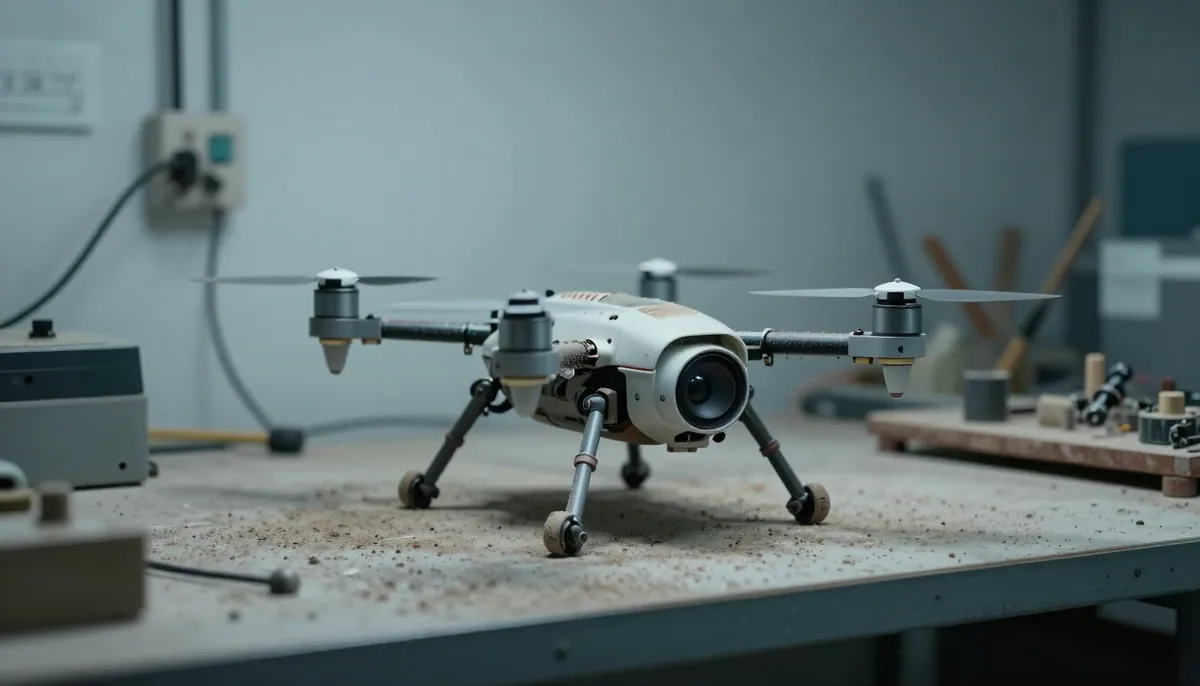
A pilot that never reaches production is not a neutral outcome. It is a net cost: the engineering hours, the cloud spend, the executive attention, and — most expensive — the organisational cynicism it generates toward the next initiative. The waste is real, but it is rarely measured.
Pilots stall in the gap between demo and deployment
A demo proves the model can do the task once. Production requires it to do the task reliably, securely, observably, and cheaply, thousands of times a day, with an escalation path and an owner. That gap is where most pilots die — not because the model failed, but because nobody budgeted the unglamorous 80%.
Make the cost visible
Track pilot spend as a portfolio, not a series of one-offs. When leadership sees that $400k produced three demos and zero production systems, the conversation changes. The goal is not to stop experimenting — it is to stop pretending experiments are delivery.
Ship or kill, on a clock
Every pilot should have a date by which it either enters production or is written off. No “let’s keep iterating.” A deadline forces the team to confront the real blockers — security review, data access, change management — early enough to solve them or move on.
The companies that win at AI are not the ones with the most pilots. They are the ones with the fewest, each with a clear path to production and the discipline to kill the rest.